ANXIETY

Each month, I will be sharing a guest piece written by someone from my online community. November’s submissions includes a piece about Obsessive Compulsive Disorder by Saleema Lookman. The work of destigmatizing mental health is a community one, and I’m honored to share this space.

DEPRESSION

“I don’t know why I just wake up and cannot bring myself to start anything. I feel like I’m having a mid-life existential crisis but I don’t know if it’s because I’m not happy with what I’m doing or that I’m just not seeing how wonderful it is. Like am I just wearing really shitty colored glasses?”
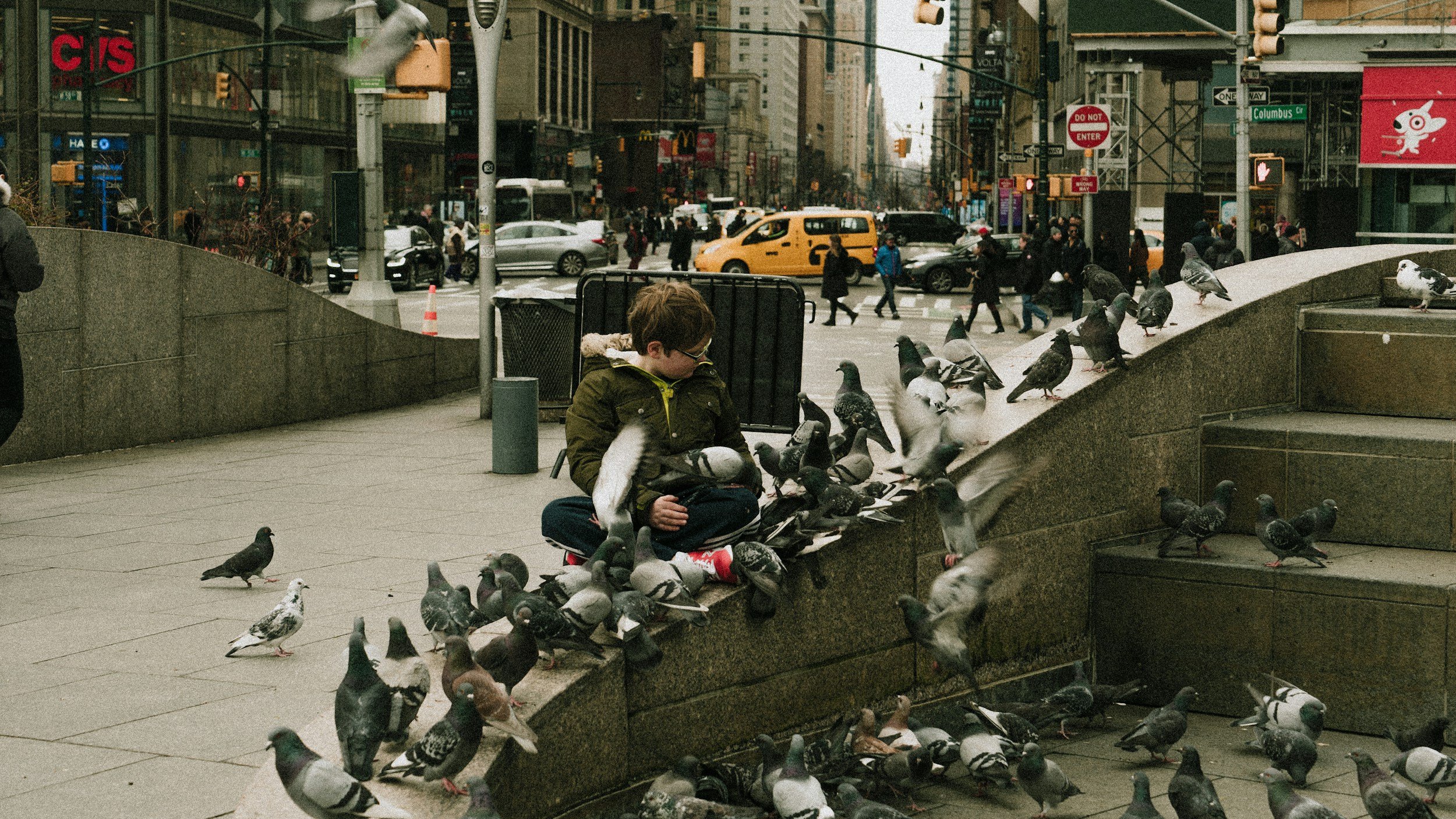
I’m a suicide survivor who attended the Crisis Now Summit in Amsterdam this June. Here was my experience.
Last week I told my therapist I wasn’t feeling motivated or passionate anymore. She said that often times people with a history of trauma, chronic stress, or mental illness can see a decline in executive functioning, which can explain low motivation. Here’s what she suggested.
SELF-ESTEEM

In the last three years, I have had HUNDREDS of impasses where I feel utterly lost.
Being a writer/creator/entrepreneur/whatever the fuck my job role is can be liberating. And, the freedom of working for myself and creating my own life from scratch doesn’t come with socially constructed boundaries—there’s no roadmap for my life and I often feel like an architect without a blueprint…

Shadow work may be a familiar concept to you. If it is, this will be a welcome challenge.
If you’re new to shadow work, I invite you to see this exercise as a meet and greet with the parts of yourself you’ve cast away. A dinner party where you’ve invited your personality traits that irritate you, body parts that feel foreign to you, thought patterns that scare you, or behaviors that bother you.

I care deeply about how my actions impact those around me, and pay attention to when the limits of my responsibility are met so that I don’t extend beyond the boundary of prioritizing my wellness or maintaining integrity of my identity. Beyond these boundaries is the realm of emotional babysitting, and that is what I am no longer participating in.
RELATIONSHIPS + COMMUNICATION

Making friends as an adult is hard. Whether we've recently had to start over because of a breakup, relocation, or our values change after therapy or recovery, it can be difficult to know how to make meaningful connections. Here is what I did after getting divorced (and what research says about making new friends).

Each month, I will be sharing a guest piece written by someone from my online community. October’s submission is a poetic piece by guest writer and Wounds to Wisdom alumn, Maritza Padilla. I’m humbled by the writing I received, and I’m proud as hell to share a space with so many courageous individuals who are willing to share their stories. The work of destigmatizing mental health is a community one, and I’m honored to share this space.
Coping with COVID-19
The 5 traits of resilient people, and how we can harness these factors to prevent global, collective trauma in the wake of the COVID-19 crisis.

Growing up, I wanted to be a good girl. To do so, I knew I would have to follow all the rules--if I did, then no one could punish me, and I would never have to face disappointment. I looked for rules everywhere--in my parent’s verbal and non-verbal cues, in their reactions to my behavior, and in their interactions with eachother. Through careful deciphering and child-like deliberation, I created an imaginary rubric of what I imagined the “rules” to be.
Some people spend their lives focusing on mental wellness. They meditate, journal, go to therapy, read self-help books, practice active listening, understand how to identify and process their emotions, and have a breadth of coping skills. In the face of a crisis, they are as prepared as they can be to handle the toughest mental challenge of their lives.
Editor's Picks

For years I’ve felt the impact of shared stories in safe spaces and I fully believe that because I’ve been able to share my story and hear the stories of others, I’m still alive today. When I was invited to attend the screening of “Moving America’s Soul on Suicide,” I wanted to understand why storytelling could have such a profoundly positive impact on my mental health. How can hearing a complete stranger’s story of overcoming hardship--even if it’s a hardship I’ve never experienced--transform and illuminate my own suffering into hope and possibility?

I want to tell you a story about the stranger who told me she loved me.

I started googling, “who created the concept of boundaries” and “what therapy first talked about boundaries” and “where did the idea of boundaries come from in psychology?” I saw dozens of articles like “10 Ways to Effectively Set Boundaries” or “What to do When Your Boundaries Aren’t Respected” and “5 Different Types of Boundaries to Set” and I was overwhelmed.
Digestion or gut issues, sleep disruption, insomnia, jaw clenching, anxiety or panic attacks, depression, low mood, irritability, anger, low sex drive, or brain fog may be signs your nervous system needs a reset. Join me for a free 31 day reset and let’s reset our nervous systems together in 2024.